

Sustainability in Community Living: A Greener Future
Last updated on 8 Oct 2026
Habitat Plush • 8 Oct 2026 • 2 min read
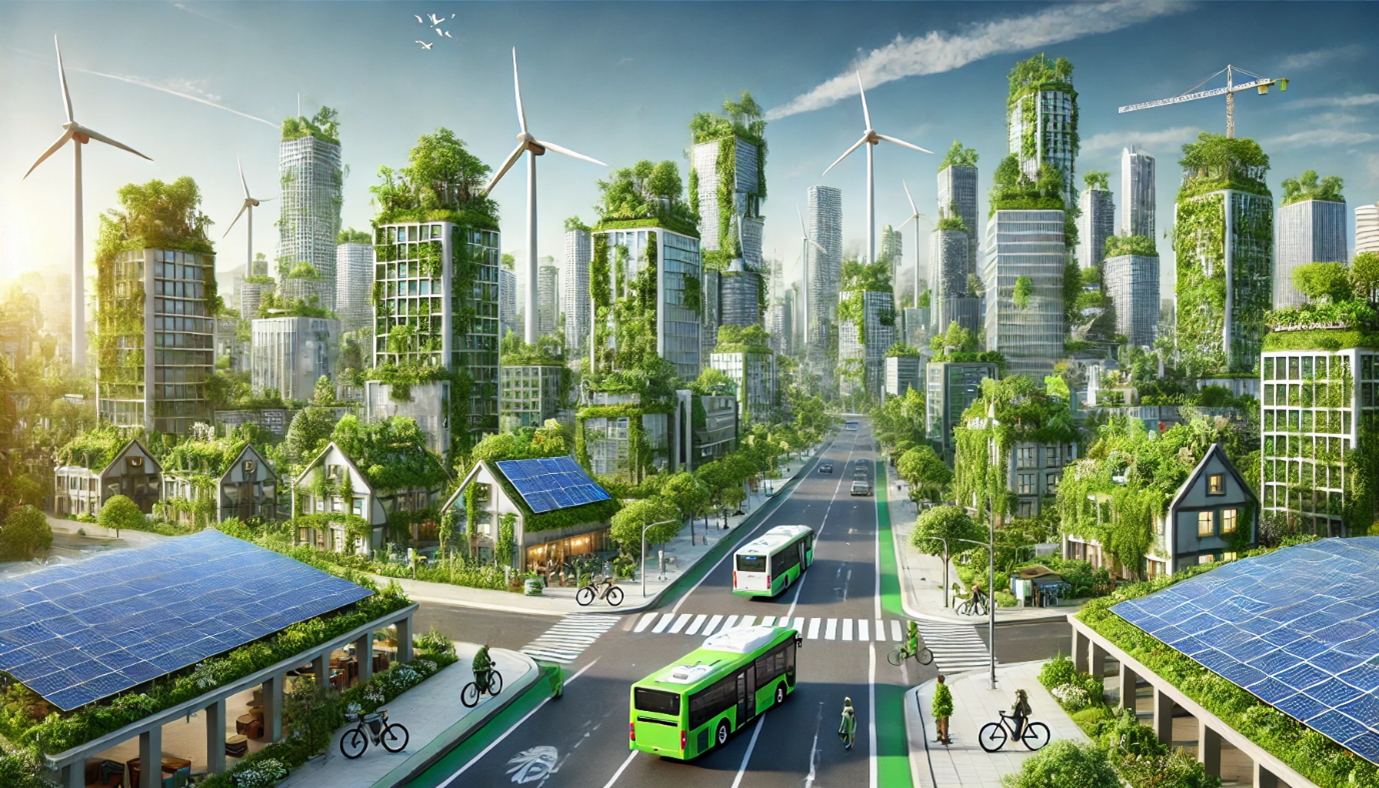
Sustainability in Community Living: A Greener Future
Introduction
Sustainability is more than just a buzzword; it is a necessity in today's rapidly evolving world. With environmental concerns mounting, businesses, governments, and individuals must adopt sustainable practices to ensure a balanced future. But what does sustainability truly mean, and how can it be applied effectively across various sectors?
What is Sustainability?
Sustainability refers to meeting our present needs without compromising the ability of future generations to meet their own needs. It is built on three key pillars.
Environmental Sustainability focuses on preserving natural resources and reducing ecological footprints.
Economic Sustainability promotes long-term economic growth without negatively impacting social or environmental aspects.
Social Sustainability ensures human well-being, equality, and community resilience.
As the world grapples with the challenges of climate change, environmental degradation, and resource depletion, the importance of sustainability has become increasingly evident. At Habitat Plush, we believe that community living plays a vital role in promoting sustainable practices and reducing our collective ecological footprint.
Governments around the world have launched various initiatives to promote sustainability and reduce carbon emissions. Some notable examples include the Smart Cities Mission in India, which aims to create sustainable and livable cities through technology and innovative urban planning. Singapore’s Green Building Initiative encourages energy-efficient buildings and sustainable construction practices. The European Union’s Renewable Energy Targets set ambitious goals to increase renewable energy usage and reduce greenhouse gas emissions.
At Habitat Plush, we are committed to helping communities adopt sustainable practices and reduce their environmental impact.
Best Practices for Sustainable Community Living
Reduce, Reuse, Recycle by encouraging residents to minimize waste and adopt responsible disposal habits.
Promote the use of energy-efficient appliances and lighting.
Encourage water conservation through shorter showers and prompt leak repairs.
Create community gardens to support sustainable food production and community engagement.
Conclusion
Sustainability is no longer a choice but a necessity. At Habitat Plush, we are committed to helping communities adopt sustainable practices and reduce their environmental impact. By working together, we can create a greener, more sustainable future for generations to come.
What are your thoughts on sustainability in community living? Share your ideas and best practices with us.